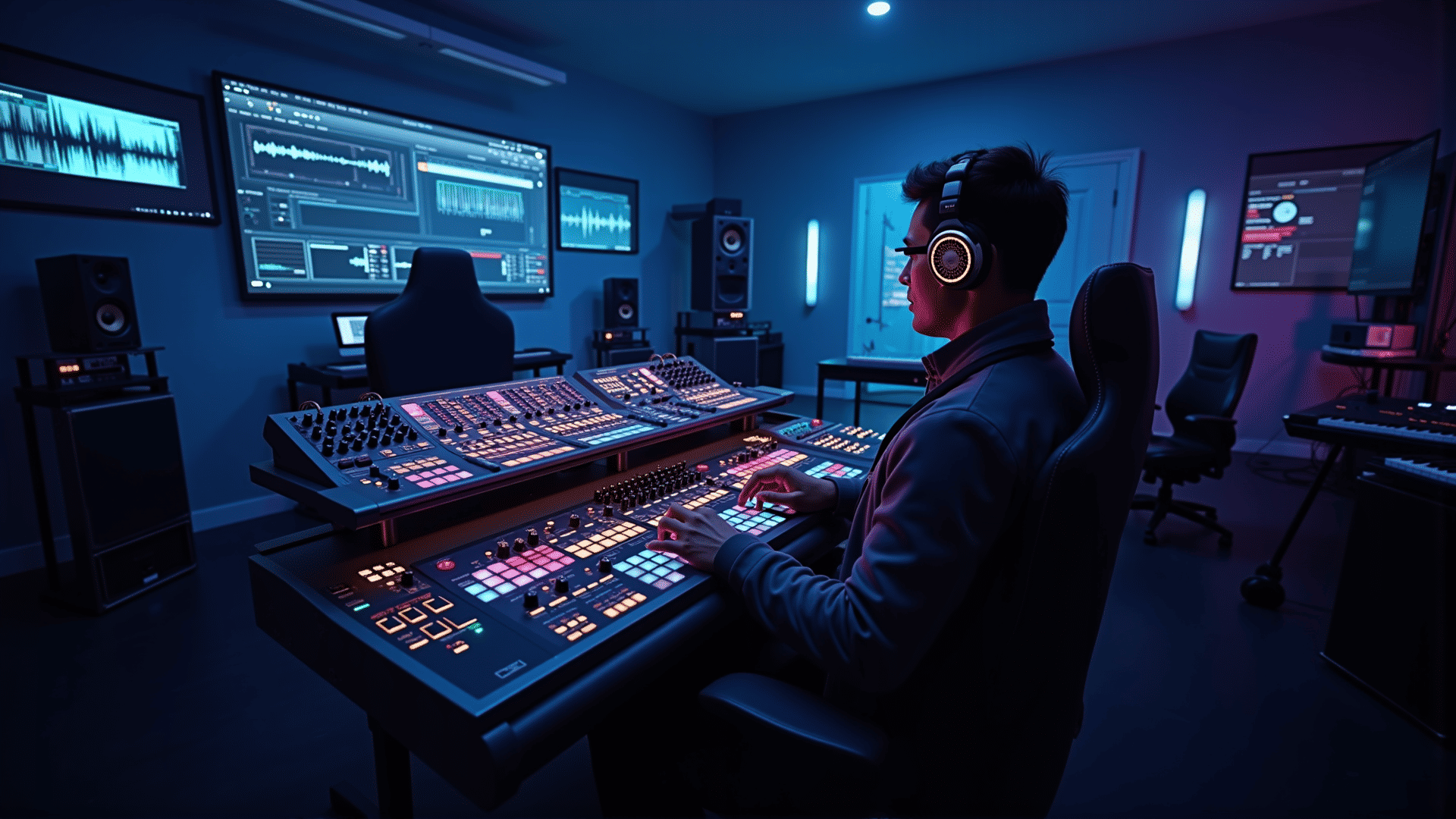
In recent years, electronic music has undergone a profound transformation, and as we edge into 2024, the industry stands on the cusp of even more groundbreaking changes. Thanks to rapid technological advancements, music production is not just evolving; it's being reinvented. From AI-powered tools to virtual reality experiences, the landscape of electronic music is being reshaped in unprecedented ways. Here's a look at the trends and technologies that are set to redefine electronic music production in the coming year.
AI and Machine Learning
Artificial intelligence and machine learning have permeated nearly every aspect of electronic music production. In 2024, AI-powered software is becoming increasingly sophisticated, offering producers tools that were once unimaginable. These advanced programs can analyze, compose, and even suggest enhancements to compositions, opening new horizons for creativity.
For instance, AI-driven plugins are capable of generating complex soundscapes or suggesting chord progressions and melodies that align with the artist's style. This can lead to faster production cycles and allow artists to explore creative paths they might not have considered. Moreover, AI is being used to personalize music experiences, enabling adaptive tracks that can change based on listener preferences or real-time interaction.
The Metaverse and Virtual Reality
The emergence of the metaverse is another game-changer for electronic music. In 2024, virtual reality (VR) and augmented reality (AR) are set to revolutionize live performances, offering immersive experiences that transcend physical venues. Artists are exploring the potential of virtual concert platforms where fans can enjoy 3D environments and interactive elements from the comfort of their homes.
This new dimension of performance is not only a response to the limitations posed by physical events but also a creative playground for artists, enabling collaborations that defy geographical boundaries. The integration of VR can also enhance music production, providing an intuitive space where producers can manipulate sounds within a virtual environment, creating yet another layer of depth and creativity.
Blockchain and NFTs
Blockchain technology continues to gain traction in the music industry, especially with the rise of non-fungible tokens (NFTs). By 2024, more electronic artists are likely to adopt NFTs to release exclusive content, thereby establishing direct and decentralized relationships with their fans. This shift empowers musicians by giving them greater control over their work and revenue streams.
Furthermore, blockchain's secure and transparent nature is being harnessed to ensure fair compensation for all contributors to a track. Smart contracts can automate royalty distribution, making the music industry more equitable and efficient.
Collaborative Online Platforms
The shift towards remote collaboration, amplified by the global events of recent years, has led to the development of innovative online platforms designed specifically for music production. In 2024, these platforms are offering enhanced features that enable real-time collaboration, where artists can work together from different corners of the world as if they were in the same studio.
These digital workspaces are equipped with shared digital audio workstations (DAWs), live-streamed commentary, and collaborative tools that streamline the creative process. This democratization of access to top-tier production amenities is enabling a new generation of producers to innovate and collaborate like never before.
Immersive Sound Design
The push for more immersive audio experiences is another trend reshaping electronic music. The advent of spatial audio technology allows producers to create 3D soundscapes that envelop listeners in a cocoon of sound. In 2024, this technology is being utilized increasingly in both production and consumption, with high-resolution audio formats becoming more standardized.
This approach to sound design doesn't just enhance music but also enriches other media such as gaming and film, integrating music production more deeply into the broader entertainment landscape.
In conclusion, 2024 is poised to be a pivotal year for electronic music, with technology driving innovation at breakneck speeds. As AI, VR, blockchain, and immersive audio technologies continue to evolve, artists are equipped with unprecedented tools to push boundaries and create music that resonates in an ever-changing digital age. The future of electronic music is not just being influenced by technology; it's being transformed by it.